
Facing The Shadows
The Art of Turning Around: Why We Stop Running from the Dark

We have been taught to fear the things that go bump in the night, and even more so, the things that go bump in our own psyche. Most self-improvement narratives focus on slaying dragons or conquering our demons. We treat our flaws like enemy combatants that need to be eradicated.
But what if the thing chasing you in the dark is not a monster? What if it is just a part of you that is tired of being ignored?
“One does not become enlightened by imagining figures of light, but by making the darkness conscious.” — Carl Jung
What Truly is Shadow Work?
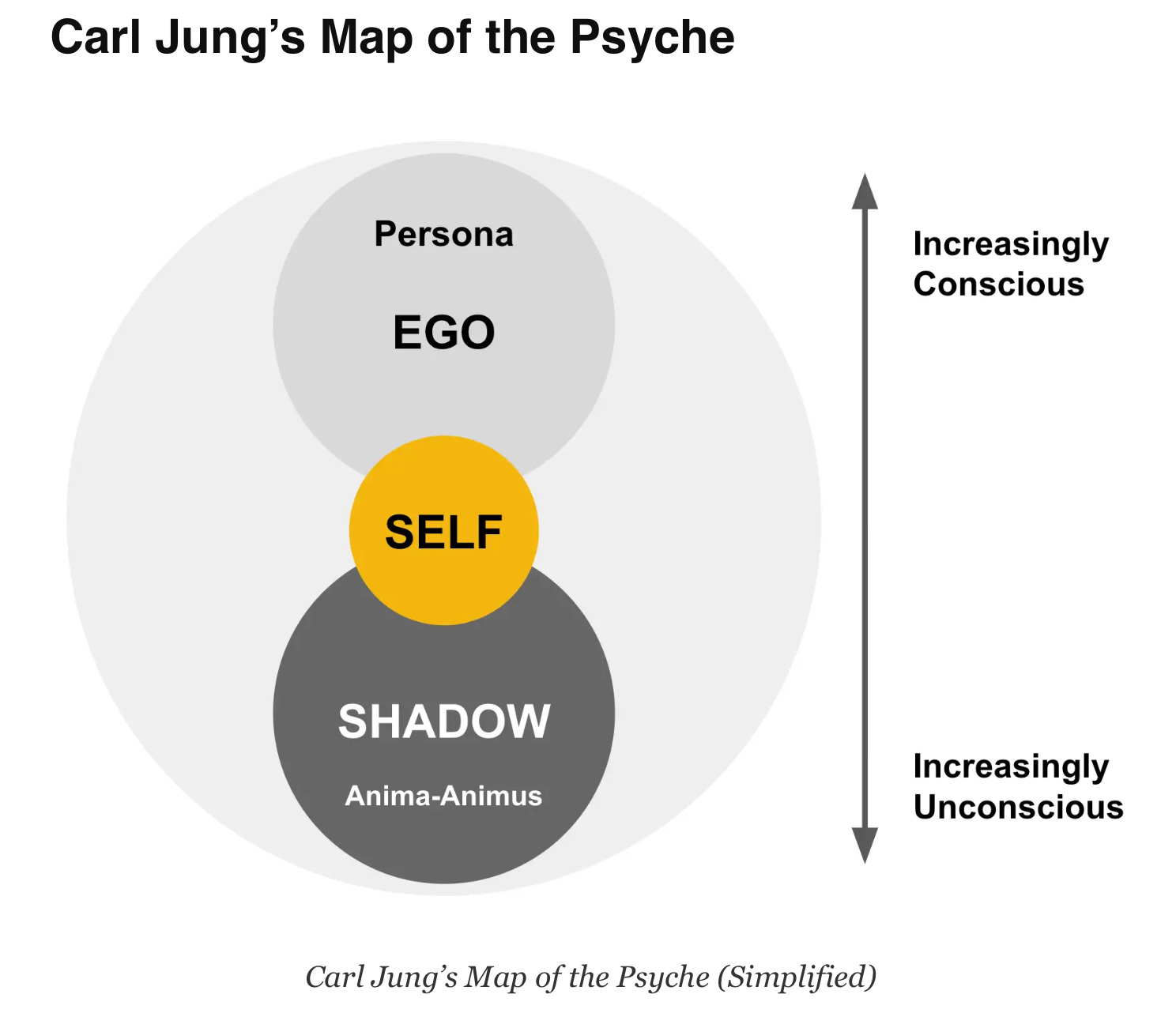
In the Jungian sense, the shadow is not evil. It is simply the sum of all the parts of ourselves we have pushed into the basement because we deemed them unacceptable, embarrassing, or too much.
Shadow work is not about conquering these parts. It is about integration. When we bring the shadow into the light, we stop being controlled by it. We gain the power to choose how to express those energies rather than letting them leak out sideways in self-sabotage.
From Being Chased to Facing the Source
I spent years in a metaphorical sprint. In my dreams and my waking anxieties, I felt a constant pressure, a sense of being chased by a dark figure. I would run too slowly, yet never quite get caught, trapped in that heavy feeling of being unable to get away.
As I began to focus on conscious healing, something shifted in the architecture of my subconscious. I realized that the shadow is not outside of me; it is within me. I stopped running. I started fighting, and then, I started speaking to it. When we turn to face the thing chasing me, the monster often shrinks. It often looks less like a predator and more like a lost, younger version of myself.

Why We Integrate Instead of Eliminate
Modern professionals emphasize that repressing the shadow only gives it more fuel. Integration allows for a true transformation of character:
The Aggressive Shadow: Becomes healthy assertiveness and boundaries.
The Sad Shadow: Becomes deep empathy and emotional intelligence.
The Rebellious Shadow: Becomes the courage to innovate.
Conscious Practices: Preparing the Sacred Space
To face the shadow, we must create a bridge between our waking mind and our subconscious.
Digital Detox: Avoid social media for at least one hour before bed.
Setting the Intention: Before you close your eyes, say, “Tonight, I am ready to see what I have been running from with love and curiosity.”
The Meditative Buffer: Spend ten minutes in stillness. I remind myself every night that I am the observer and that my thoughts are my own.
The Dream Journal: Write down your dreams immediately upon waking.
Shadow Affirmations for Integration
I am safe to look at the parts of myself I have hidden away.
I welcome my shadow back into the light of my awareness with love.
My shadow is not my enemy; it is a source of my untapped power.
I release the need to run and choose to stand in my own truth.
I am the observer of my thoughts and the healer of my soul.
Next time you feel that familiar prickle of shame, or that urge to fix a part of yourself you hate, try a different approach. Do not reach for the armor; reach for curiosity instead.
You do not need to be afraid of the dark. You are the source of the light, the creator and the observer of information and experience.
Read more here on the definitive guide to Jungian Shadow work by Scott Jeffrey
I’d love to hear more about everyone’s shadow experiences and the common themes which come up in the dreams. Whether you’re being chased, you’re pulling things out of your mouth, your partner is cheating on you, etc. These are all far more common than we realise when dealing with anxieties.